
Homa Therapy Teacher Certification Program
Ed.
Part One of a Homa Therapy Teacher Certification program was held October 24-26th, 2025 in Madison, Virginia, at the home of Richard and Lisa Powers. Three attendees are working toward becoming certified teachers; because we had such a small group, several others who wished to learn more about Homa Therapy were permitted to attend.
Most of the sessions began with Vyahruti Homa and meditation, and participants visited the nearby Parama Dham fire temple for Agnihotra.
Since the trainees had already received in-depth instruction on Agnihotra, Friday was largely spent in studying the other aspects of the Fivefold Path: Daan, Tapa, Karma and Swadhyaya. The purpose of certification and the responsibilities and requirements of a Certified Homa Therapy teacher were also discussed.
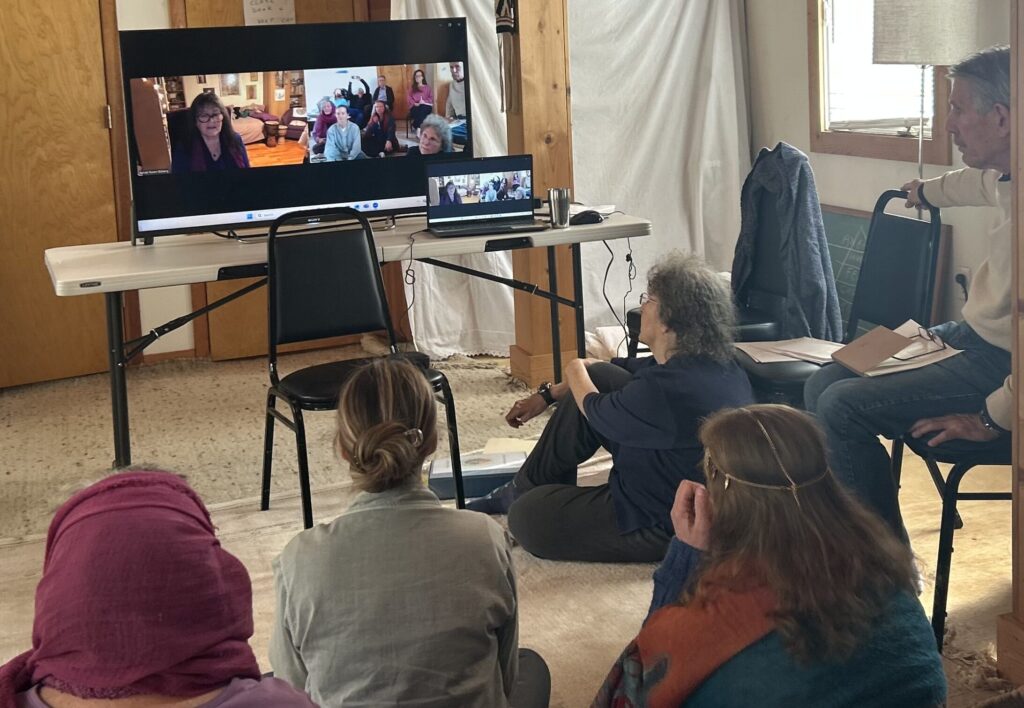
Dr. Ulrich Berk joined us from Germany via Zoom, and gave a thought-provoking presentation on Agnihotra and science. A number of experiments with Agnihotra that have been conducted in recent years were shared, highlighting Agnihotra’s effects on air, water, plant life and more. Dr. Berk also stressed the importance of distinguishing between statements from ancient Vedic knowledge, personal opinions, and what has been proven in controlled experiments.
On Saturday, clinical psychologist and president of Baltimore Homa Community Dr. Henry Gregory shared a presentation on Homa Psychotherapy.
As Dr. Gregory stated, “Homa Therapy is the process and practice of training the mind using meditation, mindfulness, values clarification, affirmation, and behavioral skills in an atmosphere seeded with Homa. Homa reduces pollution and consequently reduces stress and tension on the mind. When the stress on the mind is reduced and we become more relaxed, it becomes possible to dive deeper into the mind.”
(See the full summary of Dr. Gregory’s presentation in the article Homa Therapy below.-Ed.)
Senior Homa Therapy teacher Tom Couto, from Baltimore Homa Community, and myself taught How To Teach. In addition to explaining preparation and different teaching techniques, teaching with humility was stressed; let the message be in the foreground, and not ourselves. As many people here in the U.S. are Christians, we discussed Agnihotra and the Bible. (See the article below.-Ed.) Agnihotra and Veganism was also addressed.
Ann Couto of Baltimore Homa Community gave Part One of a presentation on Agnihotra Ash medicines, which will be continued in Part Two of the training.
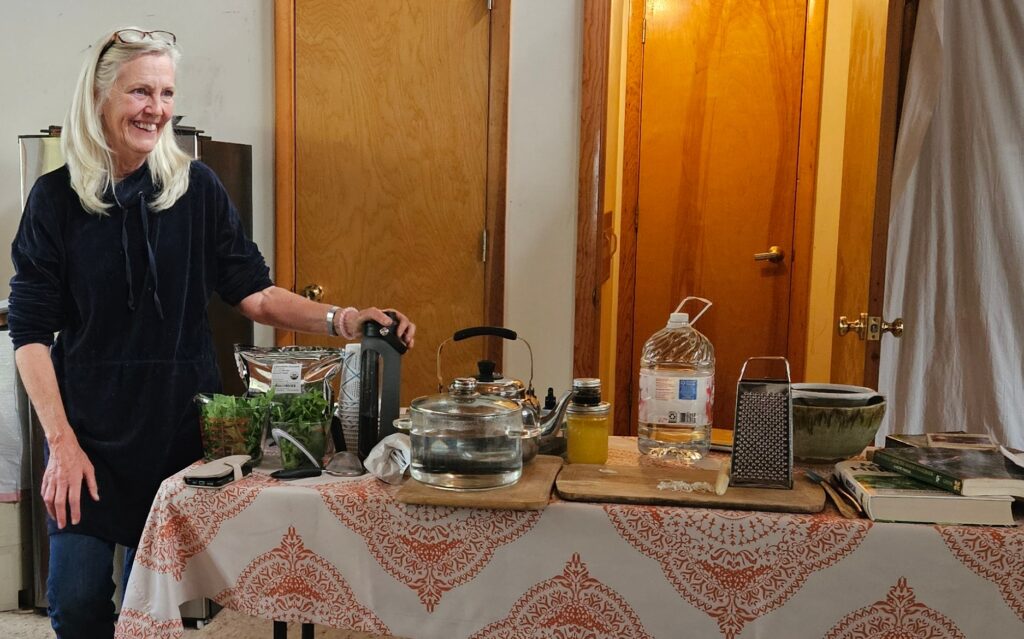
At intervals throughout the weekend, each trainee gave a 5-10 minutes presentation on Agnihotra, and received feedback from the Homa Therapy teachers and other participants.
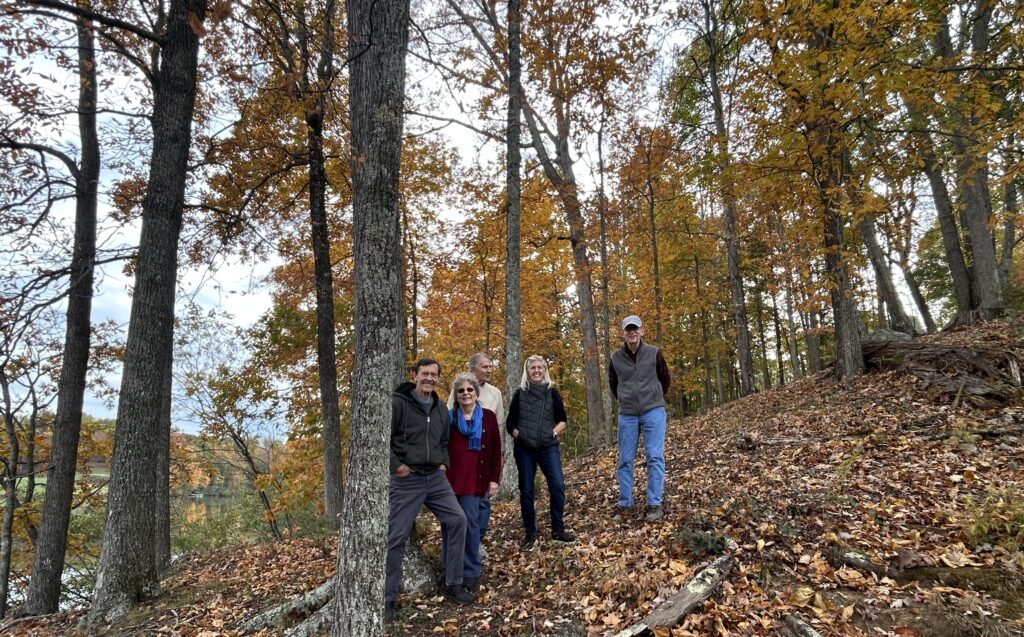
After so much time sitting indoors, we took a much-needed walk down to White Oak Lake. The beautiful fall foliage served as a reminder of importance of caring for Nature.
On Sunday, Parvati Rosen-Bizberg of Ecovillage Bhrugu Aranya, Poland, joined us via Zoom for a presentation on Agnihotra and working with children. She is co-author of the book Yoga and Meditation for Children, and has given many workshops based on the book.
Participants took a written quiz to help solidify their knowledge and find any gaps in their understanding.
At noon, we did Sharanagati together. Afterwards, the Madison Homa community joined us for a vegetarian potluck lunch. This social time was a valuable opportunity for more recent Agnihotris to meet and share experiences with longtime Agnihotra practitioners.
Deepest thanks to Tom and Ann Couto, Dr. Henry Gregory, Dr. Ulrich Berk, and Parvati Rosen-Bizberg for sharing their time, knowledge and experience.